The Department of Art of the 19th–21st Centuries conducts research on visual art and architecture in the Czech lands in an international context from 1800 to the present. In line with the Institute’s research priorities, the department supports individual research projects while also currently hosting several collaborative projects that help define its research profile.
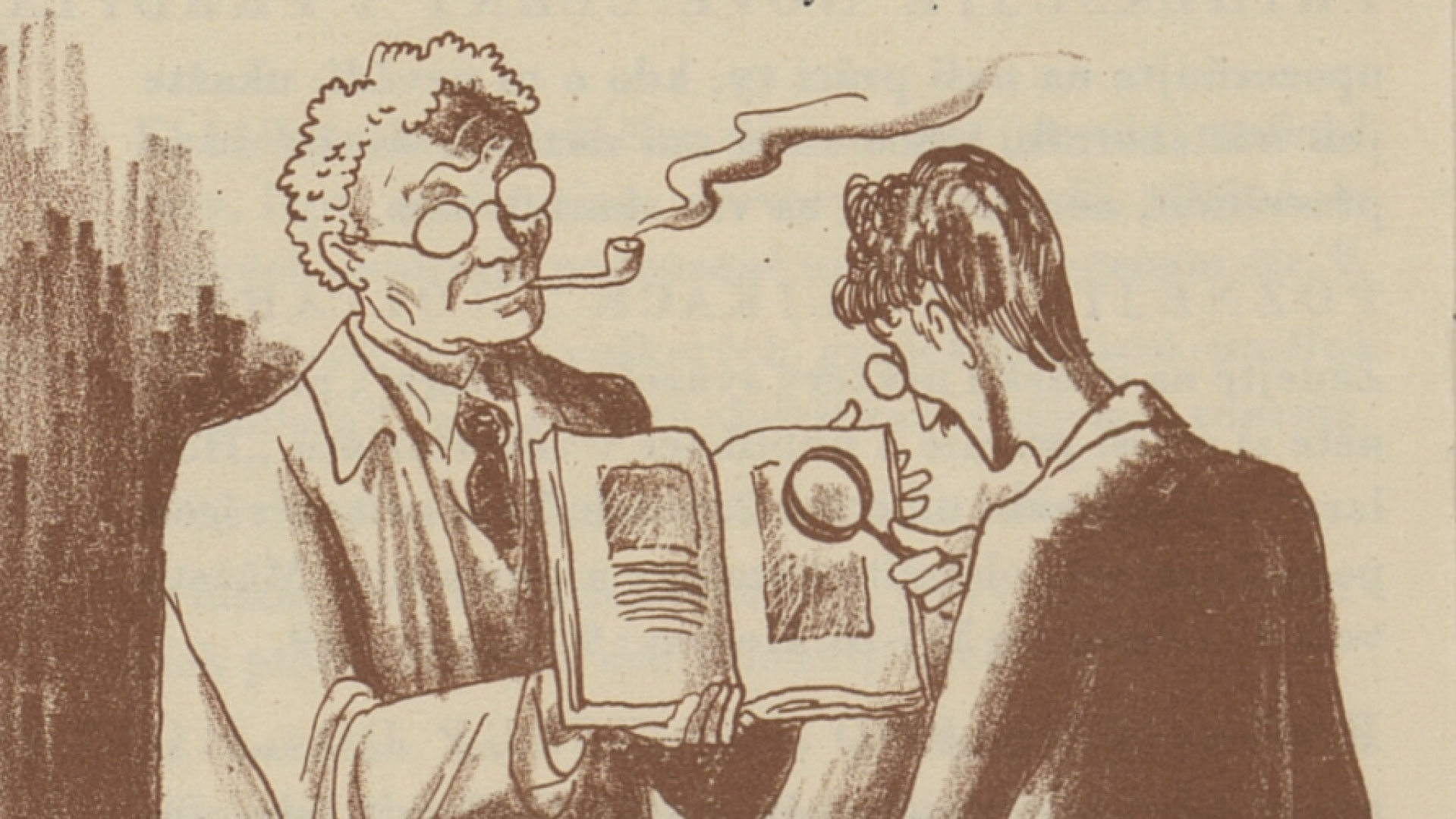
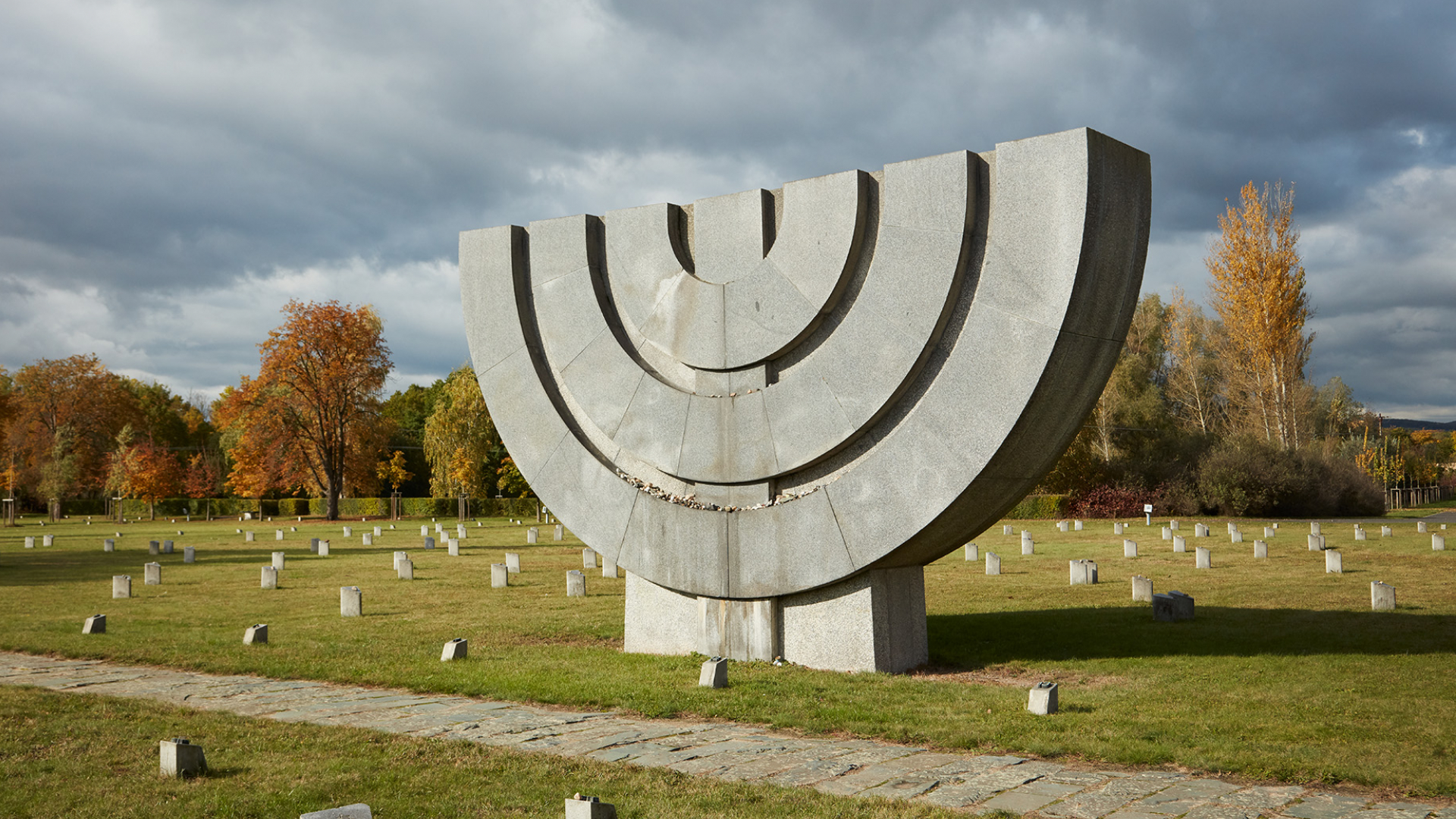
The project Matrix of photomechanical reproductions: Histories of Remote Access to Art (CAS Lumina quaeruntur, 2023–2027, PI: Fedora Parkmann) examines the circulation of photomechanical reproductions of artworks in art-historical journals and art magazines in the first half of the 20th century and considers their impact on the distribution and popularization of art as well as on the discipline of art history itself. The bilateral project “Invisible Agents” in Architecture (1908–1938): Policies, Principles, and Projects in Central European Ministries of Public Works (WEAVE, 2023–2026, PI: Vendula Hnídková) shifts the study of modern architecture away from the conventional narrative centred primarily on architects and their work towards the crucial role of public-sector clients as key actors in architectural production, while critically examining the biases that have shaped scholarly debate within national historiographies. The collaborative project Spaces, Objects, Authors and Curators: Building a Cultural Public in the Czech Lands 1790–1918 (2024–2026, Czech Science Foundation, 24-12190S, PI: Pavla Machalíková) draws on research into the history of exhibitions to provide a deeper understanding of how exhibitions shape both the physical and symbolic spaces in which different publics, through encounters with physical artefacts, develop an awareness of the meanings, purposes, and consequences of the visual presentation of artistic and other visual artefacts. The project Preserving Memory: Post-war Reflection on the Holocaust in Monuments and Fine Art (NAKI III, 2023–2027, PI: Eva Janáčová) explores the relationship between historical memory and specific places from the Second World War to the present. The project Unveiling Cultural Identities: Presentation and Representation of Slovak Visual Arts in the Czech Lands (1918–1945) (Czech Science Foundation, 2026–2028, PI: Lucia Kvočáková) examines how, within the shared Czechoslovak state, Czech perceptions of “Slovak” art and Slovak artistic identity were mutually shaped through exhibitions, criticism, institutional policies, and the contemporary press, while revealing mechanisms of representation, cultural hierarchies, and asymmetries in artistic exchange.
As part of the department’s long-term project Space of the Exhibition (repeatedly supported by the Ministry of Culture of the Czech Republic and the Strategy AV21 programme, PI: Pavla Machalíková), the department is developing a public research database of art exhibitions held in the Czech lands between 1820 and 1950. The database enables research into the concept of the public exhibition as an important format for the presentation and popularization of modern art.
Members of the department are actively involved in Strategy AV21 programmes, including The Anatomy of European Society. They collaborate with museums and galleries in the Czech Republic and abroad on the preparation of exhibitions and contribute actively to the development of the discipline by co-organizing the Plzeň interdisciplinary symposia and current thematic conferences. The department provides an institutional base for doctoral research projects (Lucie Česká, Rado Ištok, Tomáš Zmeškal, Jana Farská Hájková, Tereza Hermannová). Members of the department collaborate with a number of leading institutions in the field, including universities, and serve on expert committees, scientific boards, and the editorial boards of a number of art-historical journals.